The Dual Challenge

Affordable, reliable energy for all, with less emissions—fast.
This is the Dual Challenge.

Energy promotes human welfare. But our primary energy sources are also the principal source of emissions, which cause climate change. The tension between energy demand and emissions presents the Dual Challenge.

Experts agree we need a more balanced conversation about climate and energy.

"We need a more balanced conversation about energy. To make progress toward a lower carbon future, we've got to move away from either/or and a polarized conversation toward one that's more pragmatic."
MIKE WIRTH
CEO, CHEVRON CORPORATION
"The need to provide energy affordably and reliably for today, as well as make the necessary investments to decarbonize for tomorrow, underscores the inextricable links between economic growth, energy security and climate change."
JAMIE DIMON
CHARIMAN & CEO, JPMorgan Chase
“Climate solutions need to solve not only for climate, but also for affordability and national security ... The world now has both the technical solutions and the economic imperative to accelerate the clean energy transition.”
Fred Krupp
PRESIDENT of the Environmental Defense Fund
Energy

Energy drives human well-being and longevity.

Access to affordable, reliable energy has driven improvements in longevity, prosperity, health, and education. Meeting energy demand will require scaling new low-emissions solutions and maximizing existing ones.
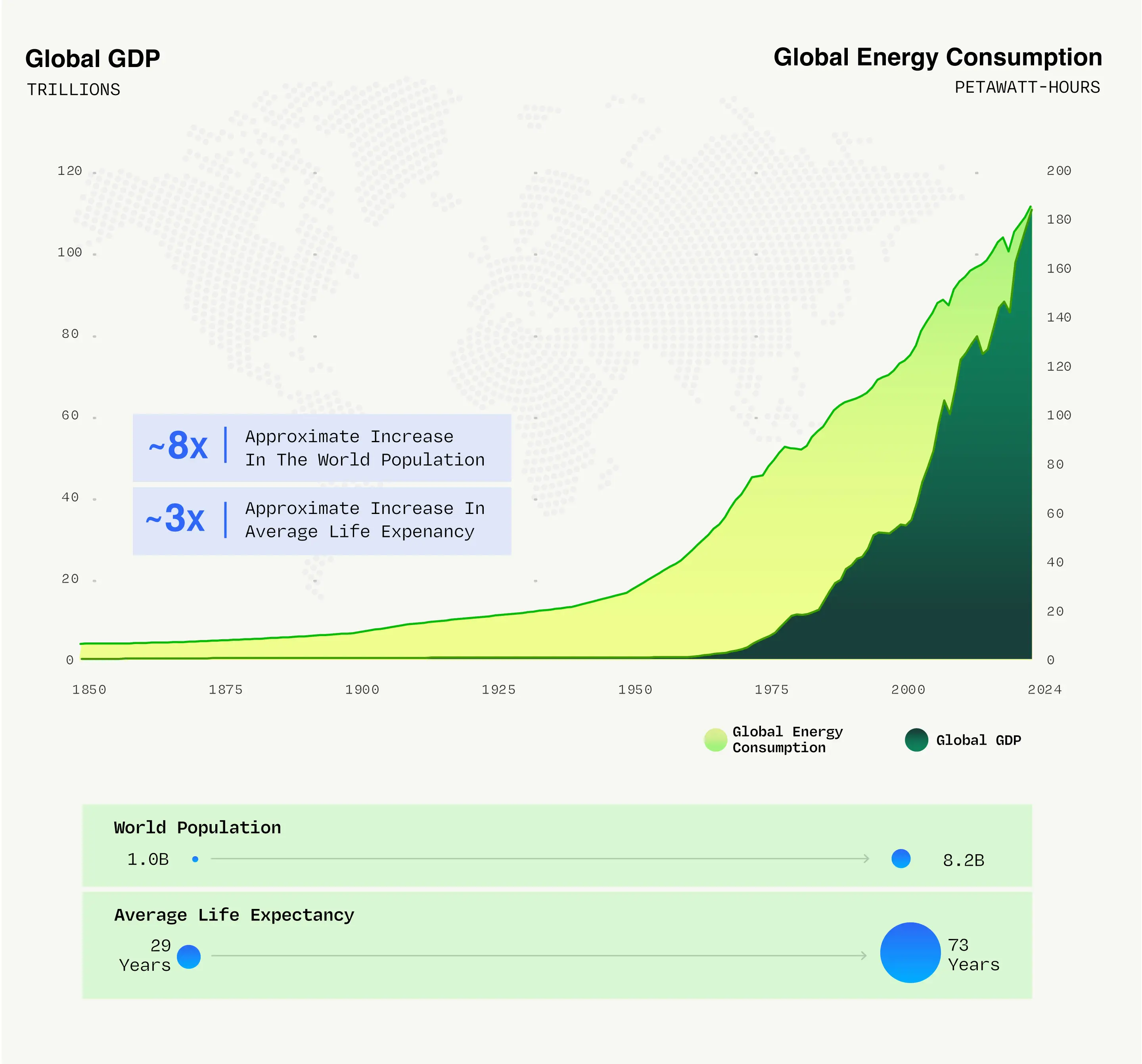
Note: GDP is expressed in current prices, meaning no adjustment has been made to account for price changes over time. This indicator is expressed in United States dollars.
Sources: MPD version 2023: Bolt, Jutta and Jan Luiten van Zanden (2024), "Maddison style estimates of the evolution of the world economy: A new 2023 update", Journal of Economic Surveys, 1–41. DOI: 10.1111/joes.12618”; Statistical Review of World Energy (2025); Smil (2017); World Bank; World Meteorological Organization
Energy Truths

We need more energy.

To fulfill the world's energy needs, we will need to develop new, low-emissions energy solutions while also maximizing the efficiency of existing energy sources.

01

Energy demand continues to grow.

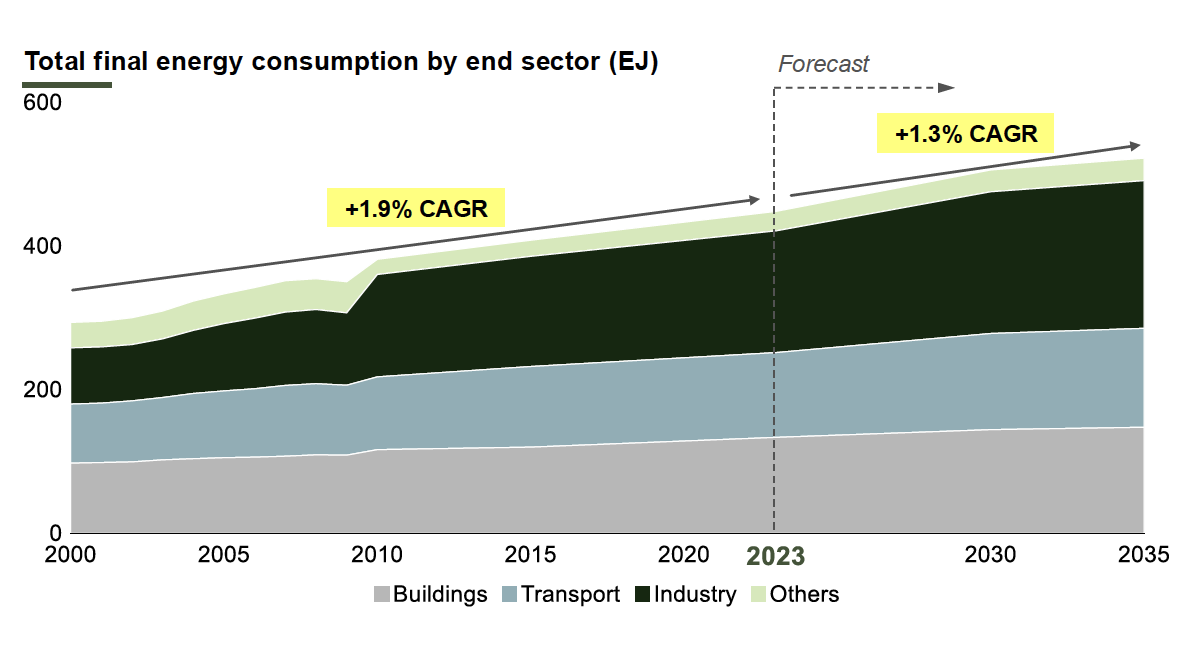
Global energy consumption has expanded steadily for over 150 years and continues to grow at approximately 1–2% annually, driven by population growth and rising living standards. Yet roughly 80% of global primary energy still comes from fossil fuels. These systems are embedded across transportation, industry, and electricity generation.

Plus Icon

02

Energy technology is advancing rapidly.

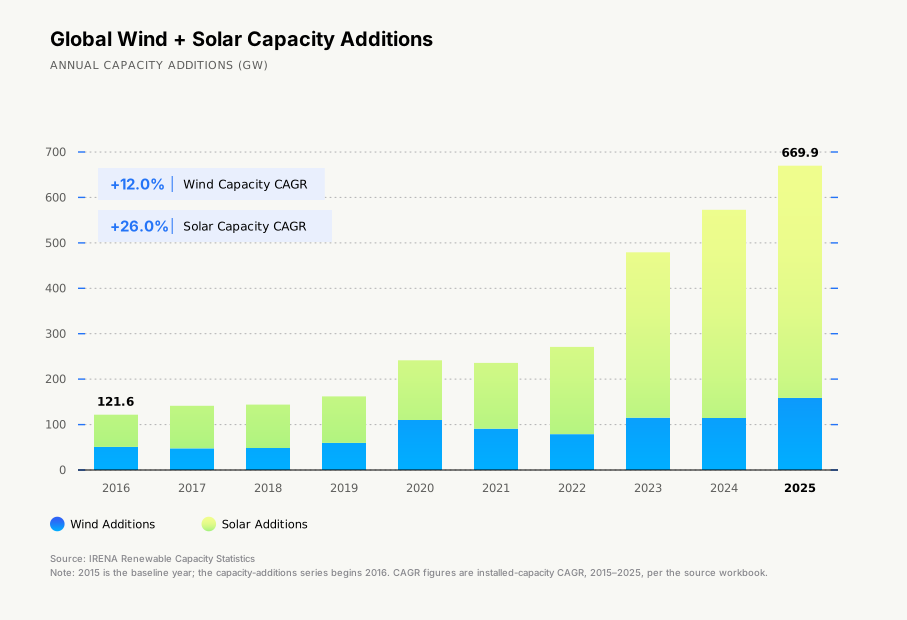
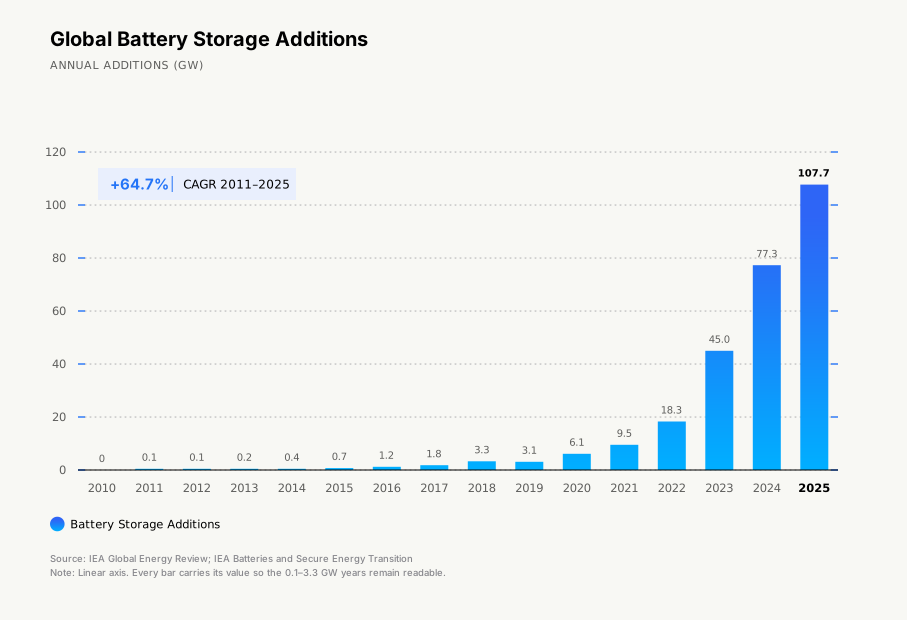
Promising new technologies and integrated energy systems are creating more options than ever. From renewables and storage to nuclear, geothermal, and advanced efficiency solutions, breakthroughs are emerging across the energy system, including technologies that decarbonize existing sources and industrial processes.
Plus Icon

03

Electrification is essential.

Low-emissions energy sources primarily generate electricity, yet only about 20–25% of final global energy consumption is electric today. We can and we must evolve these systems through addition and integration.

Plus Icon

01

Energy demand continues to grow.

Global energy consumption has expanded steadily for over 150 years and continues to grow at approximately 1–2% annually, driven by population growth and rising living standards. Yet roughly 80% of global primary energy still comes from fossil fuels. These systems are embedded across transportation, industry, and electricity generation.

02

Energy technology is advancing rapidly.

Promising new technologies and integrated energy systems are creating more options than ever. From renewables and storage to nuclear, geothermal, and advanced efficiency solutions, breakthroughs are emerging across the energy system, including technologies that decarbonize existing sources and industrial processes.
03

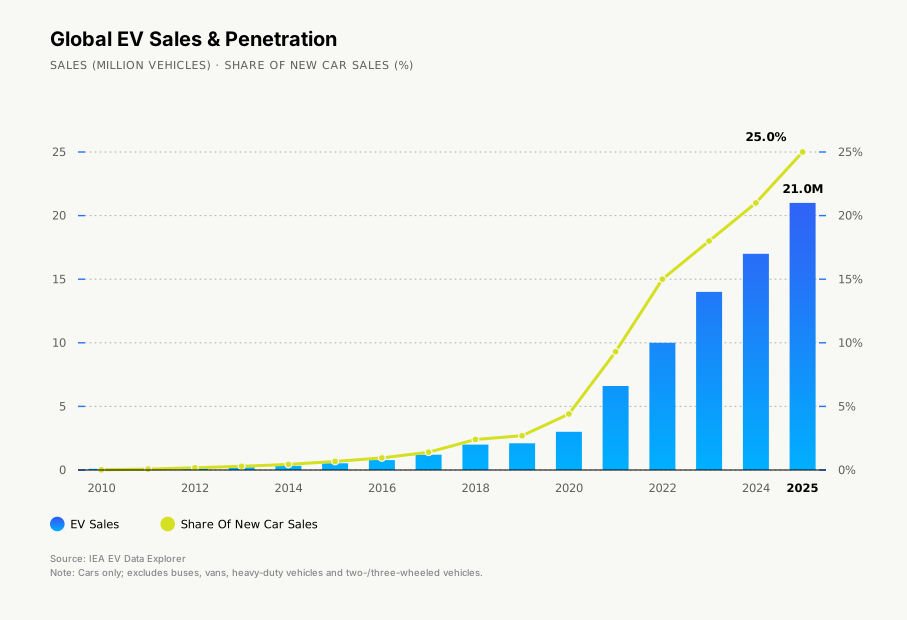
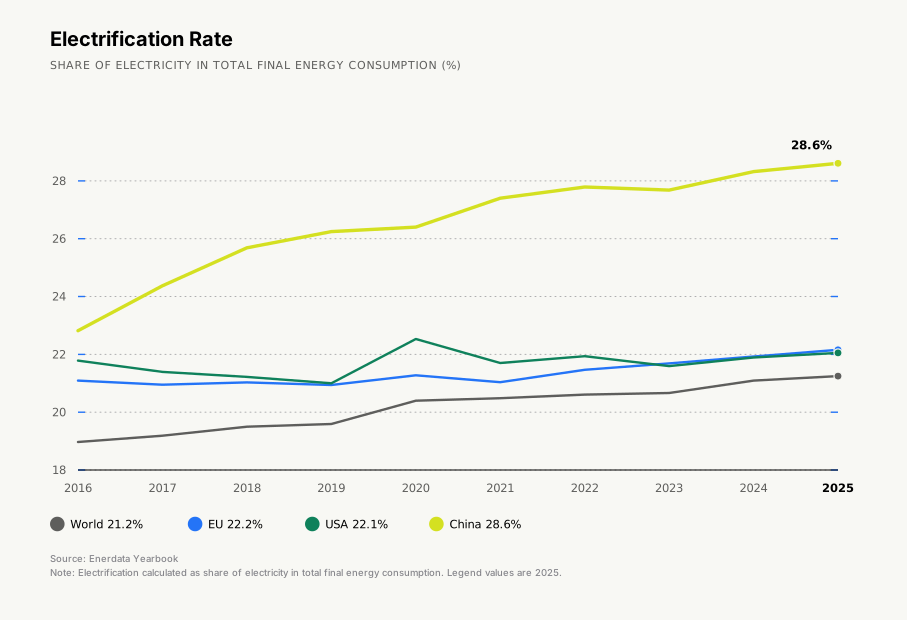
Electrification is essential.

Low-emissions energy sources primarily generate electricity, yet only about 20–25% of final global energy consumption is electric today. We can and we must evolve these systems through addition and integration.
Energy Truths

We need more energy.

To fulfill the world's energy needs, we will need new, low-emissions energy solutions while also maximizing the efficiency of existing energy sources.

01

Energy Demand Continues to Grow

Global energy consumption has expanded steadily for over 150 years and continues to grow at approximately 1–2% annually, driven by population growth and rising living standards. Yet roughly 80% of global primary energy still comes from fossil fuels. These systems are embedded across transportation, industry, and electricity generation.

02

Energy Technology Is Advancing Rapidly

Wind, solar, batteries, nuclear, and geothermal have seen significant cost declines and performance improvements over the past decade.

03

Electrification Is Essential

Low-emissions energy sources primarily generate electricity — yet only about 20–25% of final global energy consumption is electric today. We can and we must begin today to evolve these systems through addition and integration.

Climate

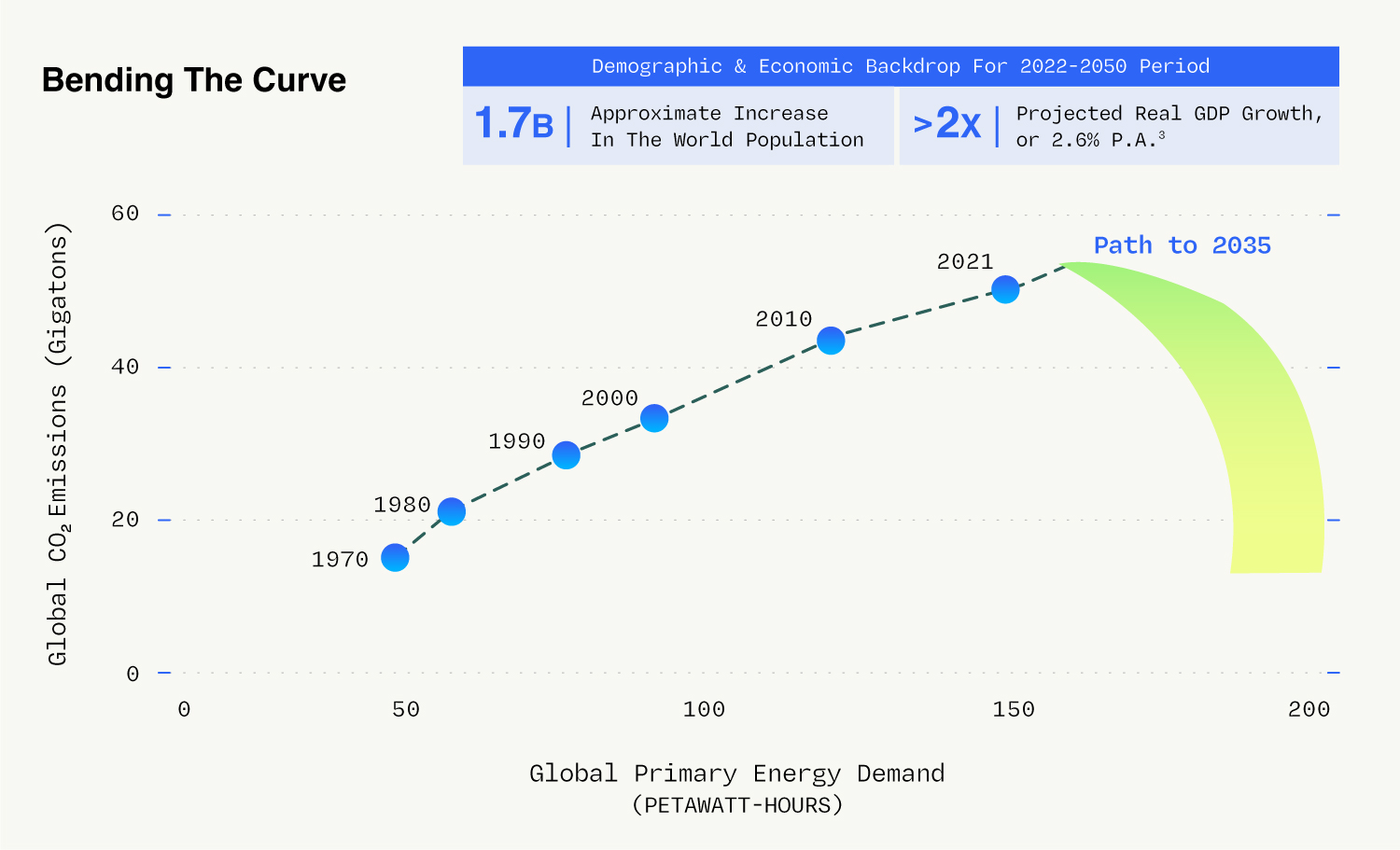
Growing energy demand is increasing emissions—we must bend the curve.

Growing energy demand and the combustion of fossil fuels increases greenhouse gas concentrations, driving climate change.
Climate Truths

We need less emissions—fast.

We must reduce emissions as fast as possible to limit the impacts of climate change.

01

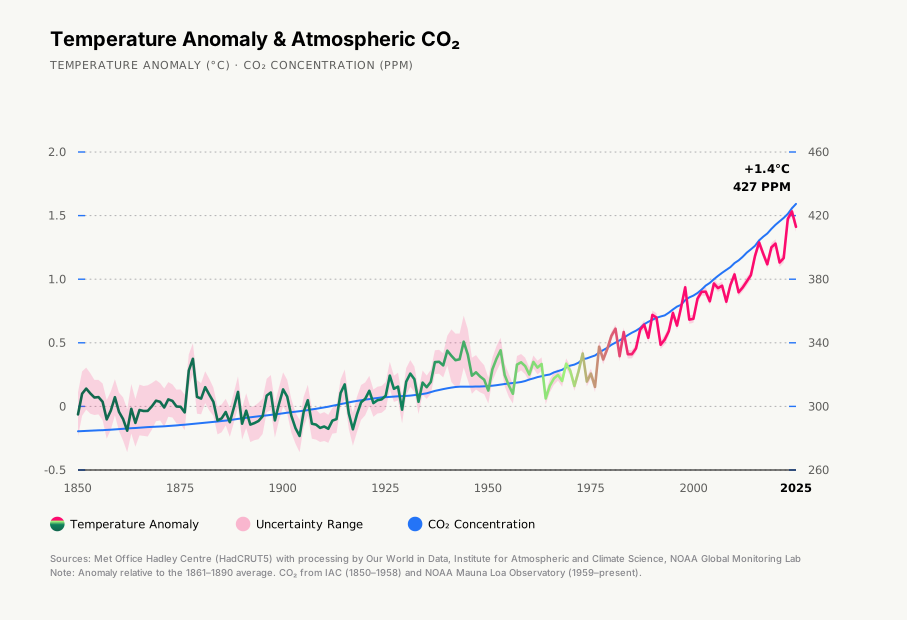
Emissions and temperatures are rising.

Global atmospheric CO₂ concentrations have risen steadily as fossil fuel use has expanded. As a result, average global temperatures have increased approximately 1.5°C above pre-industrial levels.
02

Economic & human costs are growing.

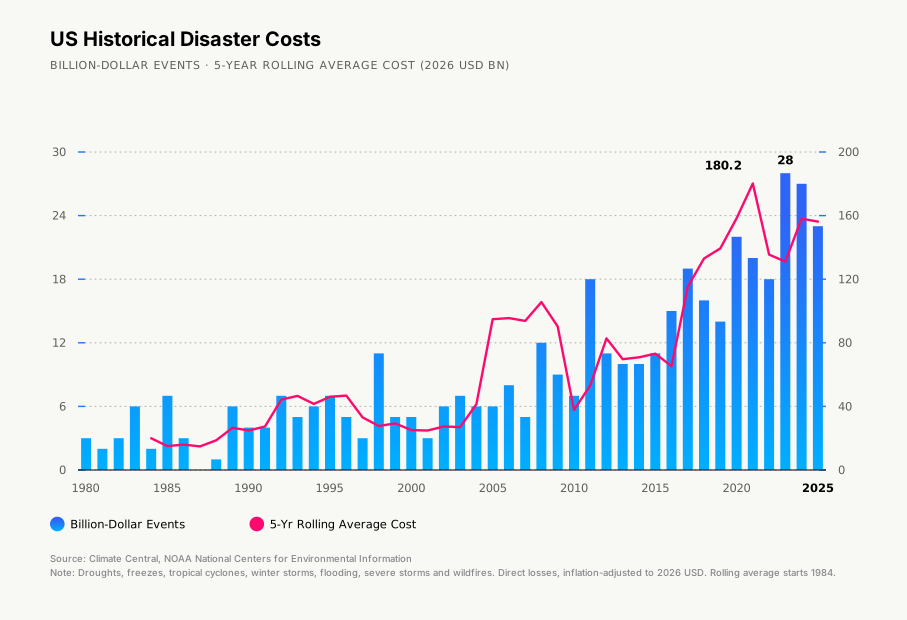
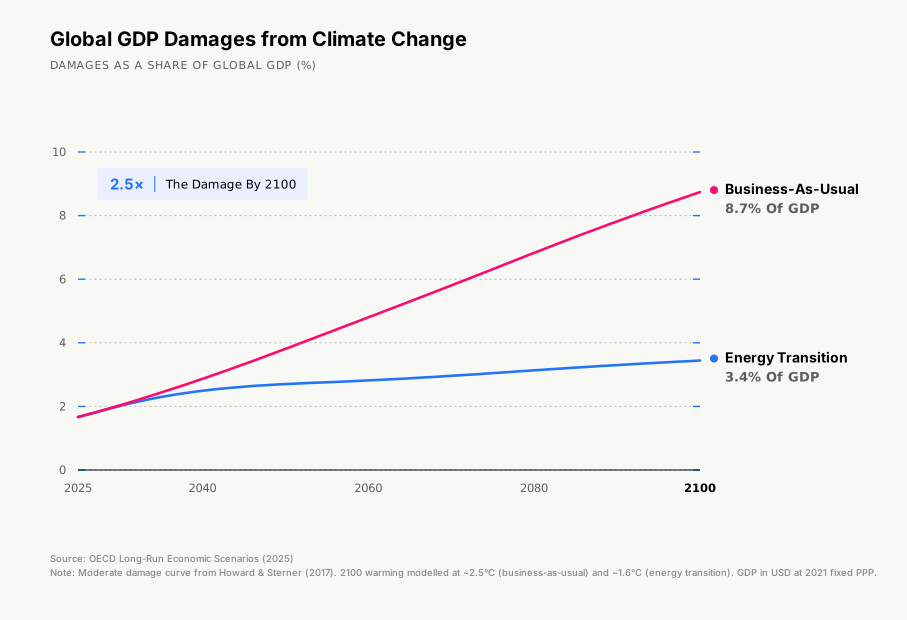
Climate change contributes to more frequent extreme weather events, droughts, flooding, and wildfires in many regions. That leads to insurance losses, infrastructure damage, rising food costs, and growing health risks, putting negative pressure on productivity, GDP growth, and human flourishing.
03

Delay increases risk.

The longer emissions trajectories remain elevated, the more difficult and expensive it becomes to reduce long-term climate risk.
Real-World Impact

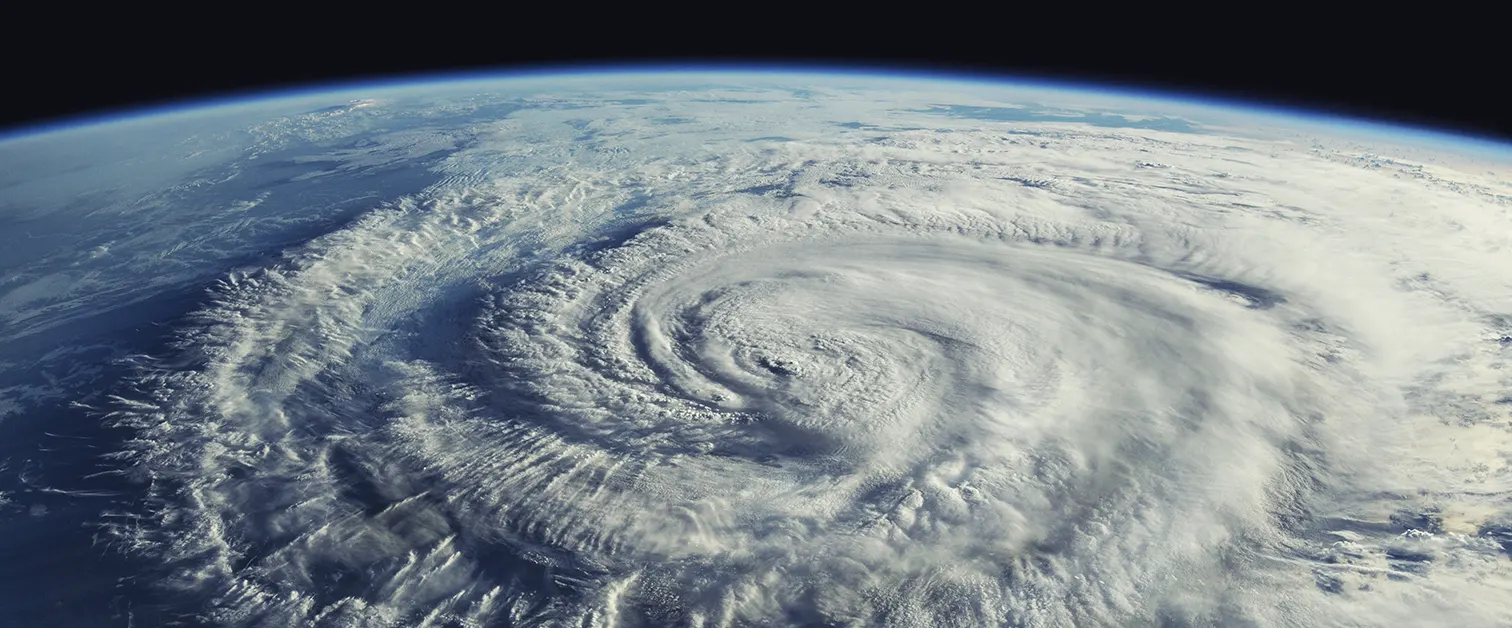
Rising emissions are driving real-world consequences.

More extreme weather.

More frequent and severe heat, floods, storms, and droughts.

Food systems under pressure.

Declining yields and increasing supply disruptions.

Water scarcity increasing.

Reduced access to reliable freshwater.

Rising health risks.

Increased illness and deaths from heat and climate hazards.

Ecosystem damage and species loss.

Degrading natural systems and accelerating biodiversity loss.

Economic losses and disruption.

Rising costs from disasters and infrastructure damage.

We can and we must address both energy AND climate.

OpenMinds applies a 360° systems approach to evaluate energy and climate solutions across key factors including cost, speed to deploy, scalability, infrastructure readiness, abatement potential, capital needs, and regulatory feasibility, focusing on 1–2 high-impact opportunities at a time.
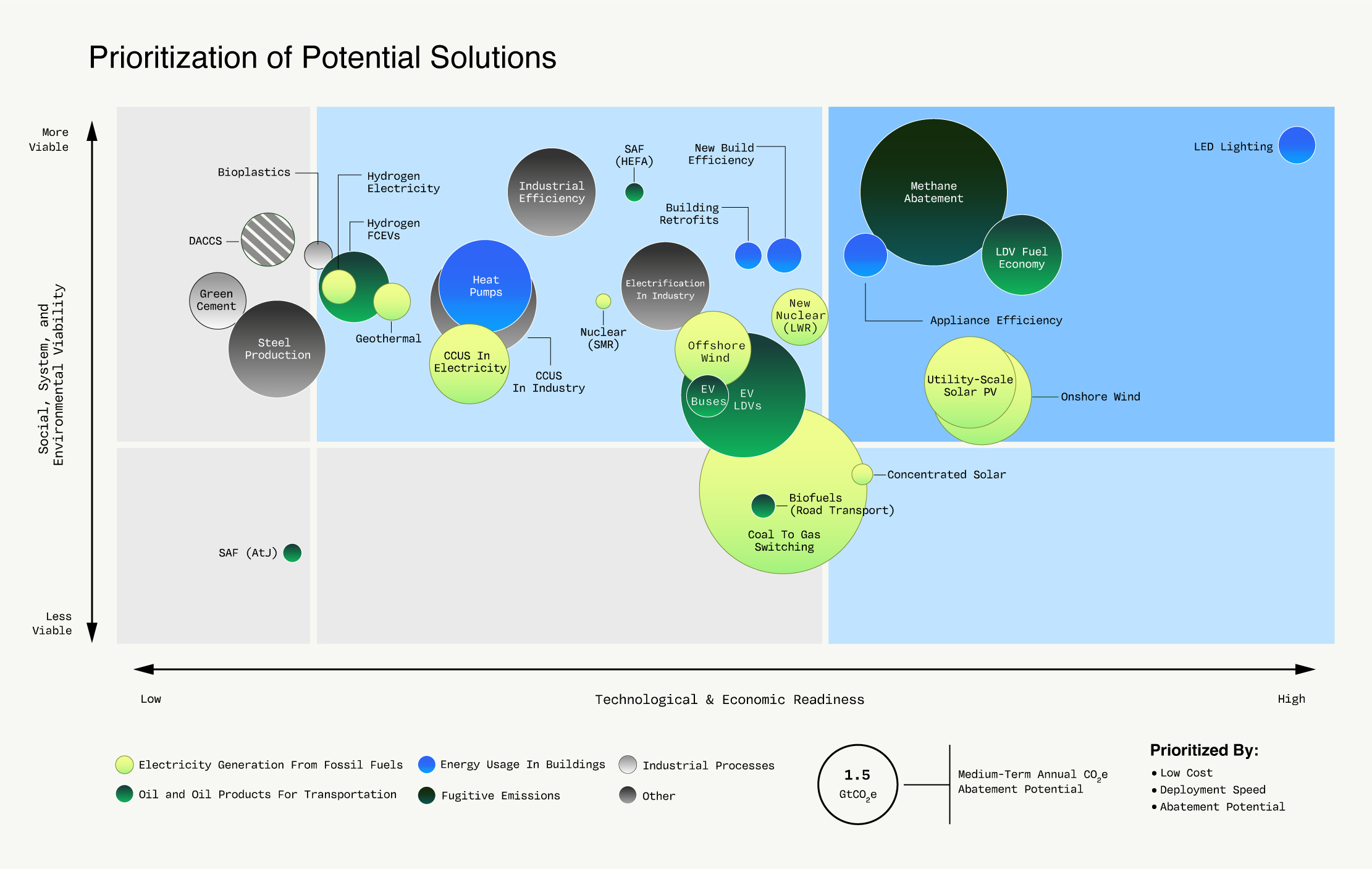

Note: Abatement potential refers to medium-term annual CO2e emissions reduction; building efficiency and retrofits refers to insulation and HVAC only; DACCS abatement potential virtually infinite; industrial efficiency includes solutions such as waste to heat recovery; renewable solutions include battery component in cost and abatement potential; geothermal represents enhanced geothermal systems; assumes methane has global warming potential 30 times that of CO2.
Sources: BIEA; IRENA; Goldman Sachs; Project Drawdown; OpenMinds research and lit. scan
Solutions Framework

Our framework identifies solutions that deliver on four priorities.

Our analysis identifies the highest-leverage opportunities for near-term impact to deliver more energy and less emissions—fast.

Explore Our Solutions
Arrow Right IconArrow Right Icon

Expand affordable, reliable energy supply.

The world needs more dependable, affordable energy to support human prosperity and modern life.

Reduce emissions at scale.

The most effective solutions cut emissions across entire energy systems while maintaining reliable supply.

Deploy rapidly within this decade.

Priority solutions scale quickly using proven technologies and practical pathways.

Deliver economic benefits.

Solutions must strengthen the energy system while delivering measurable economic and reliability gains.

Tangible Benefits

Six benefits of solving the Dual Challenge.

1.

Faster economic growth

Abundant, reliable energy enables industrial expansion, supports new technologies, and drives sustained economic development.

2.

Reduced climate risk

Cutting emissions at scale helps limit warming, reducing the severity of extreme weather, long-term economic damage, and threats to human health.

3.

Lower costs over time

Optimizing energy systems and scaling proven solutions reduces long-term costs for consumers, businesses, and governments.

4.

Greater energy security

A more connected and diversified energy system reduces exposure to supply shocks, volatility, and the geopolitical risks that destabilize communities and cost lives.

5.

Stronger, more reliable infrastructure

Modernizing the grid and energy systems improves reliability, reduces outages, and supports growing electricity demand.

6.

Unlocking new technologies at scale

Electrification and innovation enable faster deployment of low-emissions solutions across transport, industry, and buildings.

Dual Challenge Analysis

The case for energy AND climate.

Explore the data and principles behind the need to solve for more energy and less emissions—together.

Download Dual Challenge Analysis
Arrow Right IconArrow Right Icon
FAQ

The Dual Challenge, explained.

Answers to the most frequent questions about OpenMinds, our data-driven framework, and how we work to solve the Dual Challenge. Visit our resources page for deeper insights and data.

Explore Resources
Explore Resources
Arrow Right IconArrow Right Icon

Why can’t we focus on energy or climate separately?

Plus Icon

Energy and climate are often treated as opposing priorities, but they are deeply connected. Treating them as a tradeoff creates false binary choices and slows progress.

Why is solving the Dual Challenge important now?

Plus Icon

Global energy demand continues to grow, driven by population, economic development, and electrification. At the same time, emissions must decline to limit climate change. While we're bending the emissions curve, we still face a big gap, meaning current progress is not enough to meet climate goals.

What makes the Dual Challenge so difficult to solve?

Plus Icon

The energy and climate system is complex, fragmented, and often siloed. Conflicting messaging and competing priorities have left many policymakers and business leaders without clear goals and actionable pathways. Solving the challenge requires coordination across industries, technologies, and decision-makers, something that has been difficult at scale.

Is solving the Dual Challenge actually possible?

Plus Icon

Yes. And we exist to help solve it. Advances in promising new technologies and integrated energy systems (including renewables, nuclear, electrification, and geothermal) alongside improvements in energy efficiency and emissions reduction are making progress increasingly realistic, practical, and affordable.